

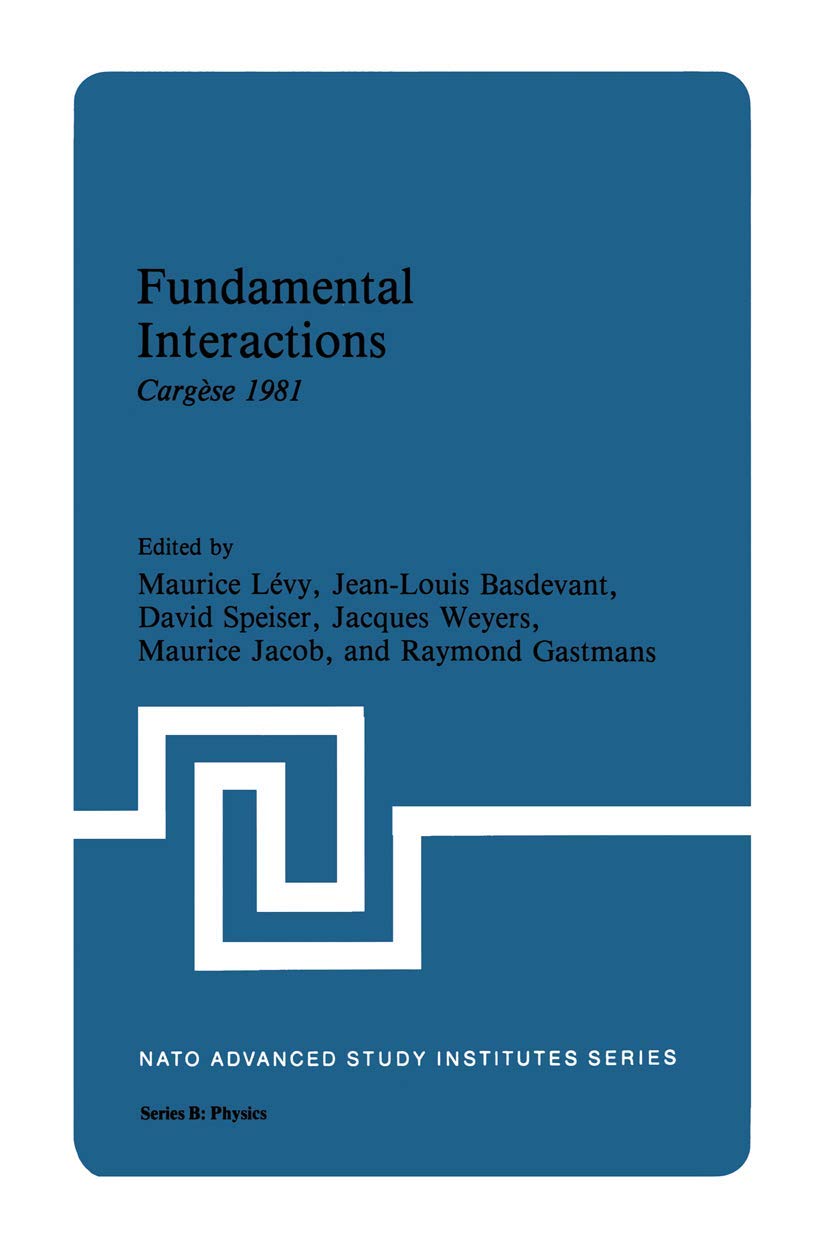
Prevent, Counter, and Respond - NNSA’s Plan to Reduce Global Nuclear Threats: FY 2023-FY 2027 Report to Congress
Product details
| Management number | 233646280 | Release Date | 2026/06/27 | List Price | US$8.28 | Model Number | 233646280 | ||
|---|---|---|---|---|---|---|---|---|---|
| Category | |||||||||
** Printed in Premium Color - Softcover **Prevent, Counter, and Respond -NNSA’s Plan to Reduce Global Nuclear ThreatsFY 2023-FY 2027Report to Congress August 2023This report outlines the Department of Energy’s National Nuclear Security Administration (DOE/NNSA) activities to address the risk of nuclear terrorism and proliferation, its updated priorities and plans for FY 2023-FY 2027, and its key accomplishments from FY 2022.By limiting the number of and further nuclear expansion by nuclear-capable states and preventing terrorist access to materials and technology, DOE/NNSA plays a critical role in enhancing global security and stability and constrains the range of potential threats facing the Nation, its allies, and partners.The 2022 National Security Strategy called for the United States to address the “existential threat posed by the proliferation of nuclear weapons through renewed arms control and nonproliferation leadership,” noting that the United States will “work with allies and partners, civil society, and international organizations” to "prevent the spread of weapons of mass destruction and fissile material, their means of delivery, and enabling technologies.” DOE/NNSA nuclear threat reduction activities strengthen U.S. national security by:Preventing: adversaries from acquiring nuclear weapons or weapons-usable materials, technology, and expertise.Countering: efforts to acquire such weapons or materials.Responding: to nuclear or radiological incidents and accidents domestically and abroad.A Portion of the Contents:2.1 Prevent2.1.1 Reduce, Remove, and Eliminate Weapons-Usable Nuclear and Radioactive Materials . 2-3 2.1.2 Secure Nuclear and Radioactive Materials and Facilities2.1.3 Control the Spread of Materials, Technology, and Expertise2.1.4 Verify International Treaty and Other Obligations Are Being Met2.1.5 Develop Leading Edge Proliferation Detection Capabilities2.2 Counter2.2.1 Build Scientific and Technical Understanding of Nuclear and Radiological Threat Devices2.2.2 Support Efforts to Impede Proliferant States’ Ability to Obtain Nuclear Capabilities2.3 Respond 2.3.1 Maintain Readiness, Strengthen and Harmonize Nuclear and Radiological Incident Response2.3.2 Develop and Maintain World-class Nuclear Forensics Capabilities2.3.3 Lead Enterprise-Wide Emergency Management by Utilizing an All-Hazards ApproachAs DOE/NNSA implements the ten objectives above, the following set of activities are also increasingly important to respond to the evolving threat environment and to align with U.S. Government nuclear policy:• Integrating nonproliferation and nuclear security in advanced nuclear designs to support the clean energy transition• Strengthening U.S. Government technical nuclear forensics capabilities• Leveraging the benefits of emerging technologies while minimizing the risks• Achieving permanent threat reduction through new and alternative technologies• Strengthening U.S. Government counterproliferation capabilities• Developing technology and approaches for future arms control agreementsConsistent with the updated NNSA Strategic Vision, DOE/NNSA leverages the following key enablers to underpin all of its activities to prevent, counter, and respond to nuclear threats:• Investing in a long-term strategy to prepare for future nonproliferation challenges• Developing a world-class science, technology, and, engineering workforce• Revitalizing infrastructure• Strengthening DOE/NNSA resilience and applying lessons-learned from COVID-19DOE/NNSA relies on innovative solutions from the world-class science, technology, policy expertise, and infrastructure of the Department and its laboratories, plants, and sites. Read more
Bestseller ranking
Nuclear



Customers who viewed this product also viewed
File Safes


Correction of product information
If you notice any omissions or errors in the product information on this page, please use the correction request form below.
Correction Request Form